


Back
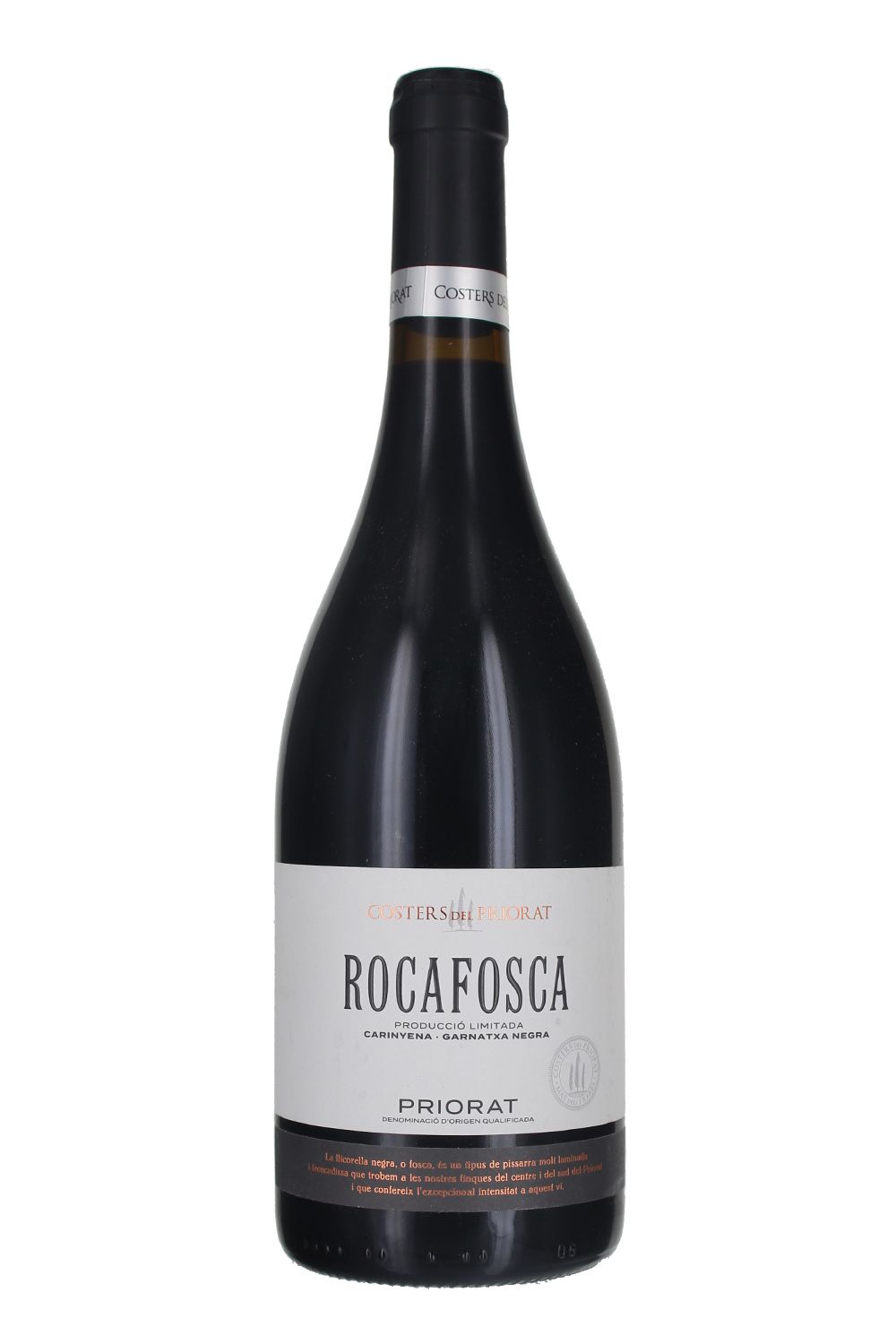
2021 Rocafosca, Priorat, Costers del Priorat
 Add to Wishlist
A friendly and honest welcome to Costers del Priorat. A 50/50 split of Garnacha and Samso (Carignan) delivers ripe fruit with minerality.
£17.50£28.96
1 x Bottle (75 cl)Tasting notes
This is another relatively new find for me and another benchmark Jeroboams-style wine. It is GPS-accurate, utterly delicious, and drinking now, but it has enough energy to blossom further, and the value for money is unquestionable. Spicy, smooth, bright, plummy and floral, Rocafosca is the kindly face of Priorat and I like what I see. I have twenty-year-old bottles of Priorat in my cellar that still look terrifyingly young, and I think they will never find equilibrium. By contrast, this wine is harmonious and swarthy – now that’s a rare combo! You do not need to cook a haunch of brontosaurus to get through a bottle either because the tannins are completely assimilated into the core of this wine, leaving gl eaming flanks of glossy blackberry and plum fruit studded with clove, thyme and liquorice details. While I sit in Battersea twiddling my thumbs, the Jeroboams warriors are scouring the earth, finding wines like this. I feel lucky, and you should, too. -Matthew Jukes
At a glance
producer
sub-region
Not available
region
country
grape variety
vintage
colour
abv
maturity
Not available
organic status

Priorat
Before the arrival of Phylloxera there were 5,000Ha of vines planted in Priorat, but by the time René Barbier arrived in 1979 there were only 600Ha of mainly Cariñena left. The scarcity of these wines helped them reach international acclaim, and a sudden influx in investment means there are now over 70 Bodegas here. So, what makes the wine so special aside from its scarcity? The soil. It is an unusual licorella – a dark brown slate sparkled with quartzite which provides Priorat with its defining mineral characters. These soils are unusually cool and damp which means they don’t need to irrigate here despite only receiving 400mm of rain on average per year. This means that in the best sites the yields are super small and produce concentrated wines. Cariñena is still the most widely planted but only the oldest vines produce any wine of quality. Nowadays it is the older Garnacha planted in cooler, slower-ripening sites which provide the backbone of most serious Priorat.
![2022 Pissarres Tinto, Priorat, Costers del Priorat (75 cl) - Bottle [154923020220600750]](https://du5d0xxkq463h.cloudfront.net/media/catalog/product/cache/e748d881e54f2c9368fad2d1a1421cc2/1/5/15492301-3-600x900-DWWA.jpg)