


A deep dive into wine from South Australia: McLaren Vale
See our other articles...
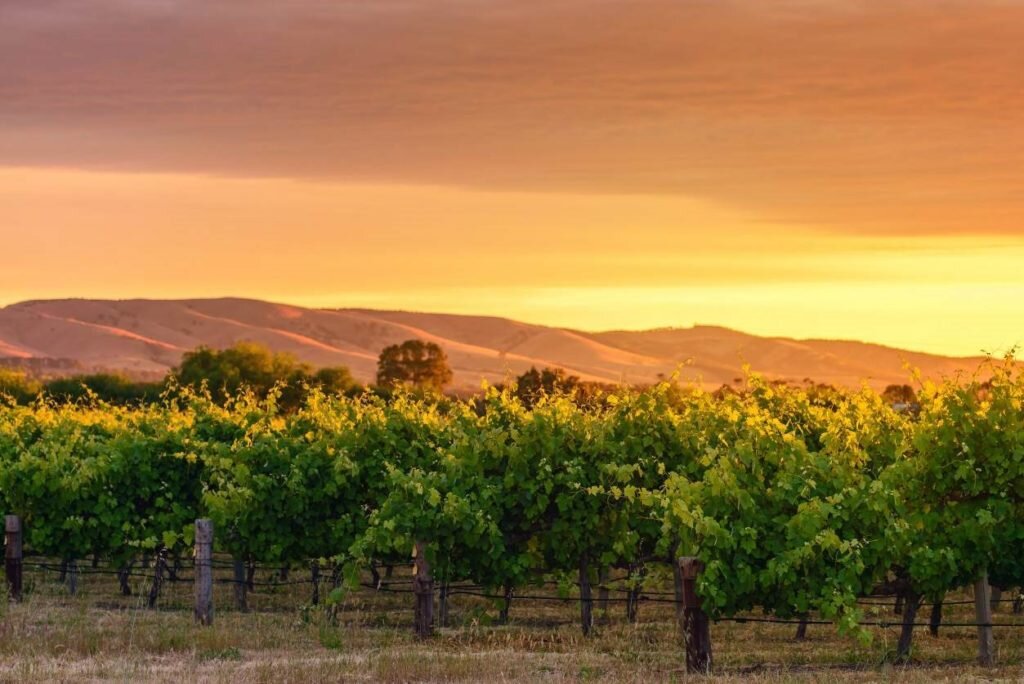
In 1838, John Reynell planted South Australia's first vines in the rural expanse of McLaren Vale. Over the years, it has evolved into a viticultural powerhouse in the Fleurieu Zone (named after the Fleurieu Peninsula), which stretches from Adelaide Hills to Kangaroo Island. Historically, the wine region was heavily associated with rich, alcoholic and occasionally overbearing reds - indispensable during BBQ season.
But this archetype is no longer representative of the critical mass: winemakers across McLaren Vale are producing fresh and balanced wines. Consumers relish the depth and perfume of centenarian Grenache vines, with intense aromas of raspberry and garrigue. There is real quality in some unexpected places in McLaren Vale. Saperavi, Nero d'Avola, and Primitivo all thrive in the wine region.
Click on a link to jump to that section:
Climate, geography and terroir
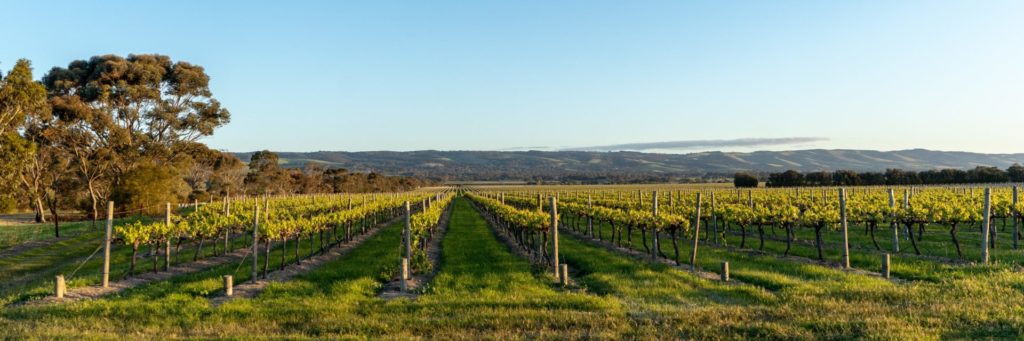
McLaren Vale is a very advantageous place to grow vines for several reasons. Situated just 22 miles south of Adelaide CBD, the Mediterranean climate produces full-bodied white wine and red wines with plenty of fruit and soft tannins. Yet growing conditions are far from homogenous in McLaren Vale: proximity to the ocean negates the risk of frost attacks for certain vineyard sites during the spring, while maritime breezes help to keep wines fresh and vibrant in the hotter months. It is quite a densely packed region. Over 80 different wineries are based here, growing a diverse portfolio of grapes. However, most agree that red varieties are McLaren Vale's crown jewel. Both the varying topography and soil play an important role in determining wine style. In the northern section of the zone around Blewitt Springs, deep sandy soils and clay yield perfumed and concentrated Shiraz and Cabernet Sauvignon wines. Due to the vineyard's low elevation, diurnal temperature variation is minimal: wines from this terroir never lack weight. Conversely, the subzone of Kangarilla, further east, produces a lighter interpretation of Shiraz due to the moderating effects of higher altitude. Likewise, the vineyards of Willunga, located in a southeastern corner of the McLaren Vale wine region, are known to ripen later than most sites in McLaren Vale.Key grape varieties
- Cabernet Sauvignon - McLaren Vale Cabernet Sauvignon could be argued to be among the best in Australia. Top labels are ripe and fruit-forward, with sophisticated tannins and aromas of mocha and cassis.
- Grenache - Rhône varieties excel in McLaren Vale, producing elegant and aromatic wines in the warm Mediterranean climate. Grenache is no exception: McLaren Vale wine is perfumed and silky, with flavours of raspberry, thyme, and violets.
- Shiraz - Old-vine Shiraz is one of the region's major trump cards; McLaren Vale interpretations lean heavily towards ripeness and concentration, although they are backed up with good acidity. Higher-elevation sites will showcase flavours of tapenade and pepper. However, McLaren Vale Shiraz offers a palate of damson and blackberry in warmer zones.
- Sagrantino - Italy's Sagrantino grape is highly valued in McLaren Vale for its beautiful acidity and savoury aromas of garrigue, leather and dried cherry. The best wines are powerfully structured, with a mineral undertow and lovely freshness.
- Chardonnay - Only the coolest sites in McLaren Vale can do this grape justice. However, the best wines can be exceptional: fruit-driven Chardonnay with a touch on new oak and buttery opulence is the trademark in McLaren Vale.