


Back
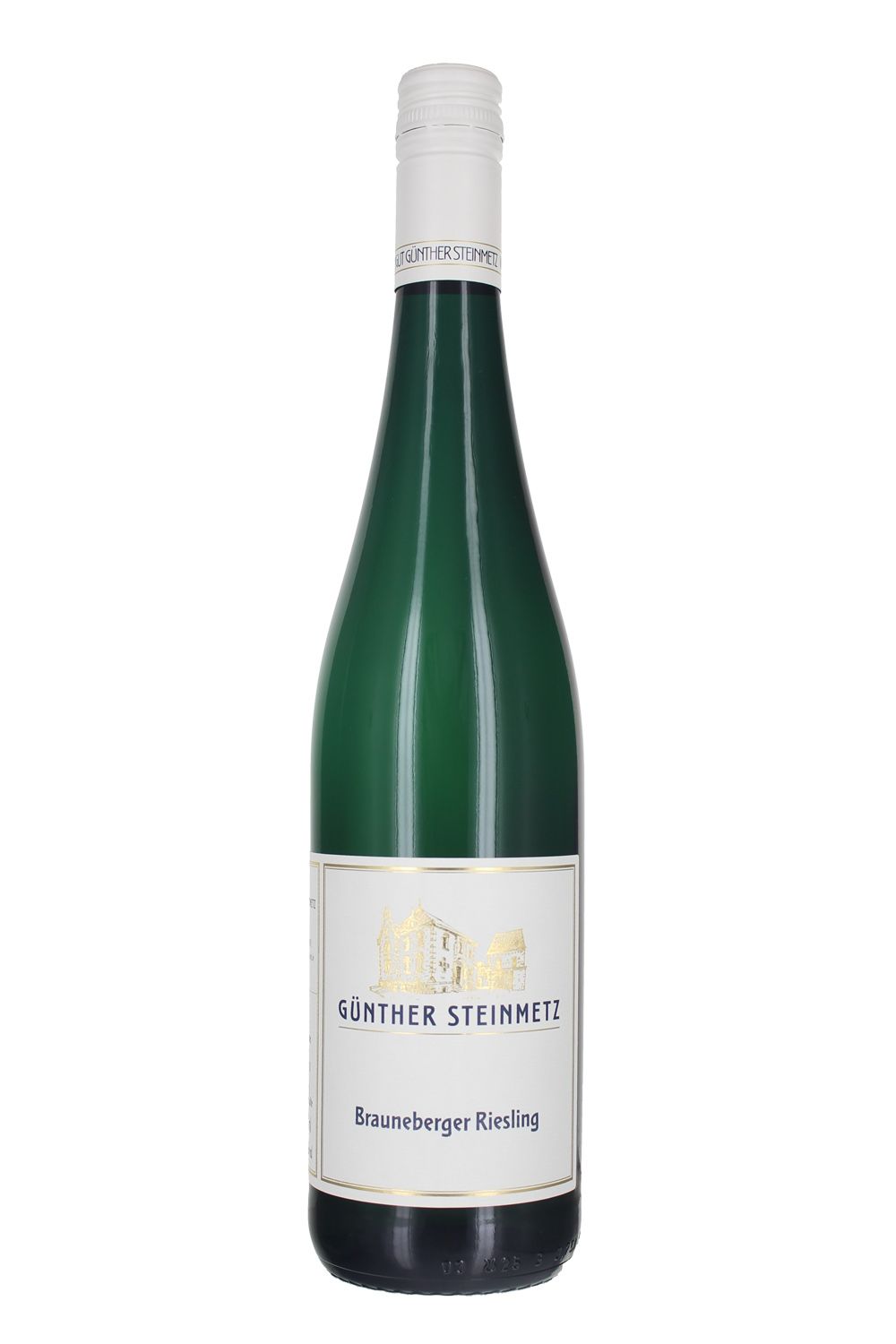
2024 Brauneberger Riesling, Gunther Steinmetz
This wine is currently unavailable. Browse our bestsellers or get in touch to see if it's available in one of our shops.
Tasting notes
Pale green-gold in colour. The nose is bright and expressive, with lime zest, white peach and green apple, flint, wet slate and a touch of jasmine. It’s vibrant and detailed, with a clear imprint of site. The palate is finely etched, showin g crisp acidity and a cool, slate-driven precision. Citrus and orchard fruit glide across a taut frame, with a gentle off-dry impression carried effortlessly by the wine’s energy and mineral backbone. The finish is long, saline and mouth-wa tering. A vivid, finely balanced Mosel Riesling—open and expressive, yet built with the tension to age gracefully.
At a glance
producer
sub-region
region
country
grape variety
vintage
colour
abv
maturity
organic status

Reviews
The 2024 Riesling Brauneberger is from vines that are between 15 to 50 years old, from steep slopes only. Some yeastiness still swings on the nose, but the palate shows the buffered freshness of 2024 on a slender yet smooth and beautifully textured body. The 2024 is a very clean-cut, honest wine. (Bone-dry)
Anne Krebiehl
Mosel
The most famous of all Germany’s wine regions, Mosel produces the style of wine that many consider to be archetypically German: fragrant, low alcohol Riesling, made in a fruity, sometimes sweet, style. Reislings here can be among some of the finest white wines in the world, balancing racy acidity with intensity of flavour. Following the path of the Mosel river from its confluence with the Rhine near Koblenz, through southwest Germany toward Luxembourg, this region was first planted with vineyards by the Romans around the second century. The steep slopes that line the river, some reaching aspects of 68 degrees, combined with the very cool, northern continental climate, allow the grapes to ripen slowly, owing to the increased sun exposure. Dark slate that covers the vineyards also absorbs heat during the day, radiating it back during the night. Great for ripening but, during the winter rains, slate is washed to the bottom of the vineyards, requiring it all to be gathered up and transported back up the steep slopes. The most famous vineyards include Bernkastel, Brauneberg, Erden, Graach and Piesport, from which the best wines posses an energy and intensity like no other, showing deceptively simple floral and fruit character in their youth, but with age grow steely, complex and sometimes savoury.
![2023 Hofberg Alte Reben Kabinett Auktion, A J Adam (75 cl) - Bottle [292789320230600750]](https://du5d0xxkq463h.cloudfront.net/media/catalog/product/cache/e748d881e54f2c9368fad2d1a1421cc2/2/9/2927893.jpg)