


Back
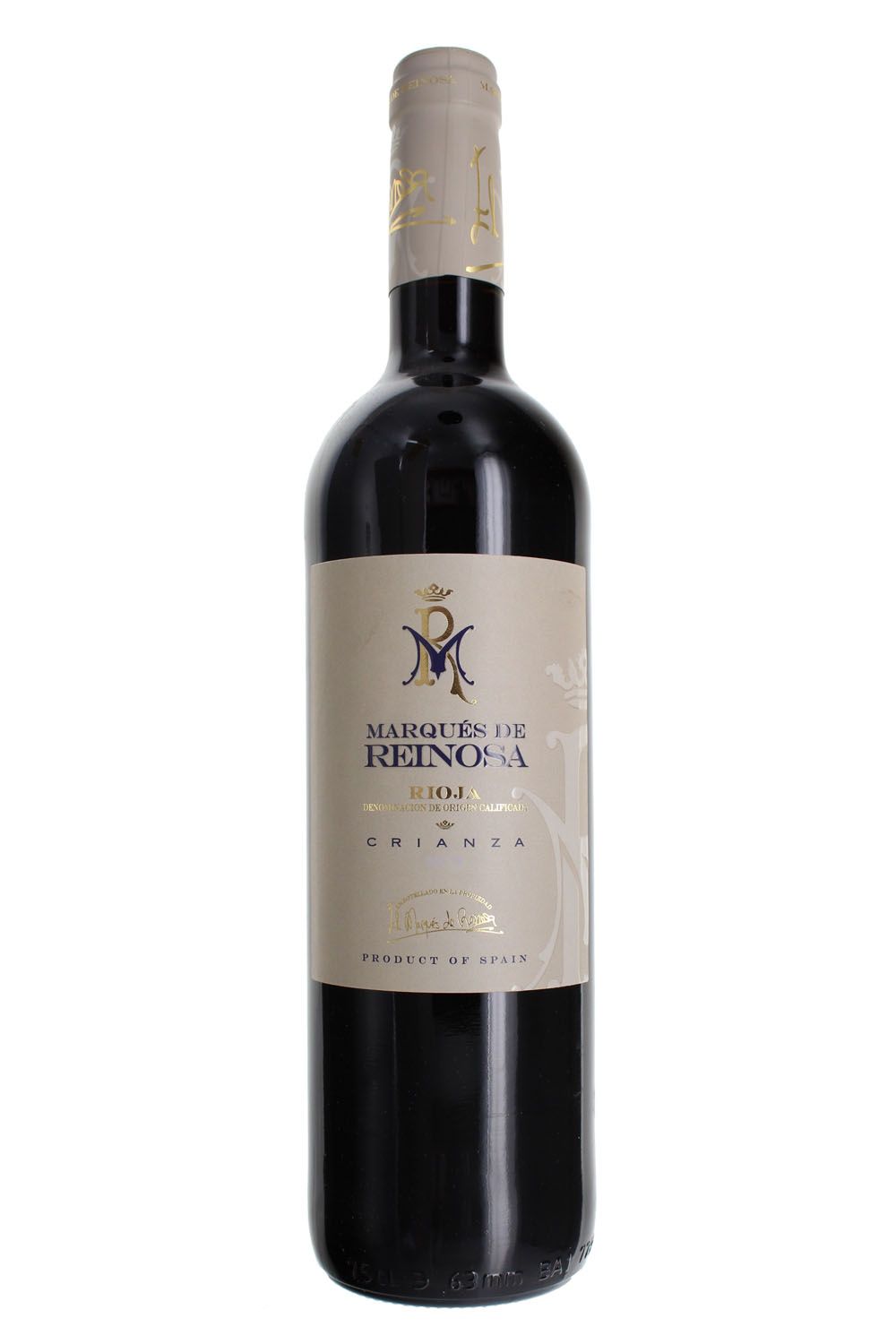
2022 Rioja Crianza, Bodegas Marques de Reinosa
 Add to Wishlist
The Bodega was established in Autol in the Rioja Baja in the late 19th century by Don Joaquin Garralda Oñate, the Marques de Reinosa. The Bodega is now owned by the inhabitants of the village and it currently has 1,075 hectares of vines in this, the warmest region of Rioja. The winemaker is local oenologist Ana Rubio, who maintains a remarkable consistency of quality for such a large winery.

Tasting notes
Lovely nose of red fruits, some plum and spices. The palate is medium to full bodied, with lots of ripe red fruits, plums and a little blackberry underscored by some oak toast. Mellow and harmonious finish.
At a glance
producer
sub-region
region
country
grape variety
vintage
colour
abv
maturity
Not available
organic status

Rioja
Rioja entered the international wine market when the Bordeaux merchants came looking to fill their tanks when Phylloxera hit north of the Pyrenees. They had already heard of the potential of Rioja thanks to Marqués de Riscal and Marqués de Murrieta setting up bodegas just east of Logroño in 1860 and 1872. It was the Bordeaux merchants who introduced aging wines in small barrels, and due to its transport links Haro became the centre for these merchants to set up new bodegas. Until the 1970s, Rioja was primarily made in juicy styles, fermented fast and then aged for many years in American oak, resulting in pale wines with vanilla sweetness. However, in recent years control of quality has improved with most bodegas making their own wines and owning their own vineyards. Today, Tempranillo enjoys a much longer maceration and fermentation before aging in oak for a shorter length of time before being allowed to age in bottle. It was Marqués de Cáceres who introduced new French oak in 1970 and now French oak is often used over the sweeter American options. The result are wines which are deeper and fruitier – often referred to as a modern Rioja. Western Riojas tend to have more acidity and tannins, while those to the east have less. White wine production is small, with only a 7th of vines dedicated to the white varieties of Viura and small amounts of Malvasía and Garnacha Blanca. Most commonly produced are young easy drinking styles, but oak-aged white Rioja is one of the great white wines of the world, such as López de Heredia’s Tondonia. Rioja experiences the climate problems of a marginal region; although the Sierra de Cantabria does protect Rioja from the Atlantic winds, in the far northwest of the region some of the highest vineyards above Labastida struggle to ripen. However, in the east, vines easily ripen at altitudes of 800m thanks to the warming influence of the Mediterranean. In fact, growers in the east may harvest up to 4 – 6 weeks before those based in Haro. The region is divided into three sub-regions: Rioja Alta, Rioja Alavesa, Rioja Oriental (formerly Rioja Baja). Tempranillo is most important variety followed by Garnacha which are often blended together. It fairs best in Rioja Alta upstream of Nájera and in Rioja Baja in the high vineyards of Tudelilla. Small amounts of Graciano are planted in Rioja, and Mazuela (Carignan). There is some experimentation with Cabernet Sauvignon which is allowed, although it’s barely tolerated.
![2016 Cedula Real Rioja Gran Reserva, Bodegas Eguren Ugarte (75 cl) - Bottle [213402420160600750]](https://du5d0xxkq463h.cloudfront.net/media/catalog/product/placeholder/default/In_bond.jpeg)
![2022 Ortega Ezquerro Crianza, DOC Rioja (75 cl) - Bottle [143560920220600750]](https://du5d0xxkq463h.cloudfront.net/media/catalog/product/cache/e748d881e54f2c9368fad2d1a1421cc2/1/4/143560920190600750.jpg)
![2019 Don Quintin Ortega Rioja Tinto, Bodegas Ortega Ezquerro (75 cl) - Bottle [143564120190600750]](https://du5d0xxkq463h.cloudfront.net/media/catalog/product/cache/e748d881e54f2c9368fad2d1a1421cc2/1/4/1435641.jpg)
![2022 Don Quintin Ortega Rioja Blanco, Bodegas Ortega Ezquerro (75 cl) - Bottle [143563820220600750]](https://du5d0xxkq463h.cloudfront.net/media/catalog/product/cache/e748d881e54f2c9368fad2d1a1421cc2/1/4/1435638.jpg)
![2017 Rioja Reserva, Bodegas Ortega Ezquerro (75 cl) - Bottle [143561220170600750]](https://du5d0xxkq463h.cloudfront.net/media/catalog/product/cache/e748d881e54f2c9368fad2d1a1421cc2/1/4/1435612new.jpg)
![2020 Marques de Reinosa Rioja Reserva, Bodegas Marques de Reinosa (75 cl) - Bottle [114593720200600750]](https://du5d0xxkq463h.cloudfront.net/media/catalog/product/cache/e748d881e54f2c9368fad2d1a1421cc2/1/1/1145937.jpg)