


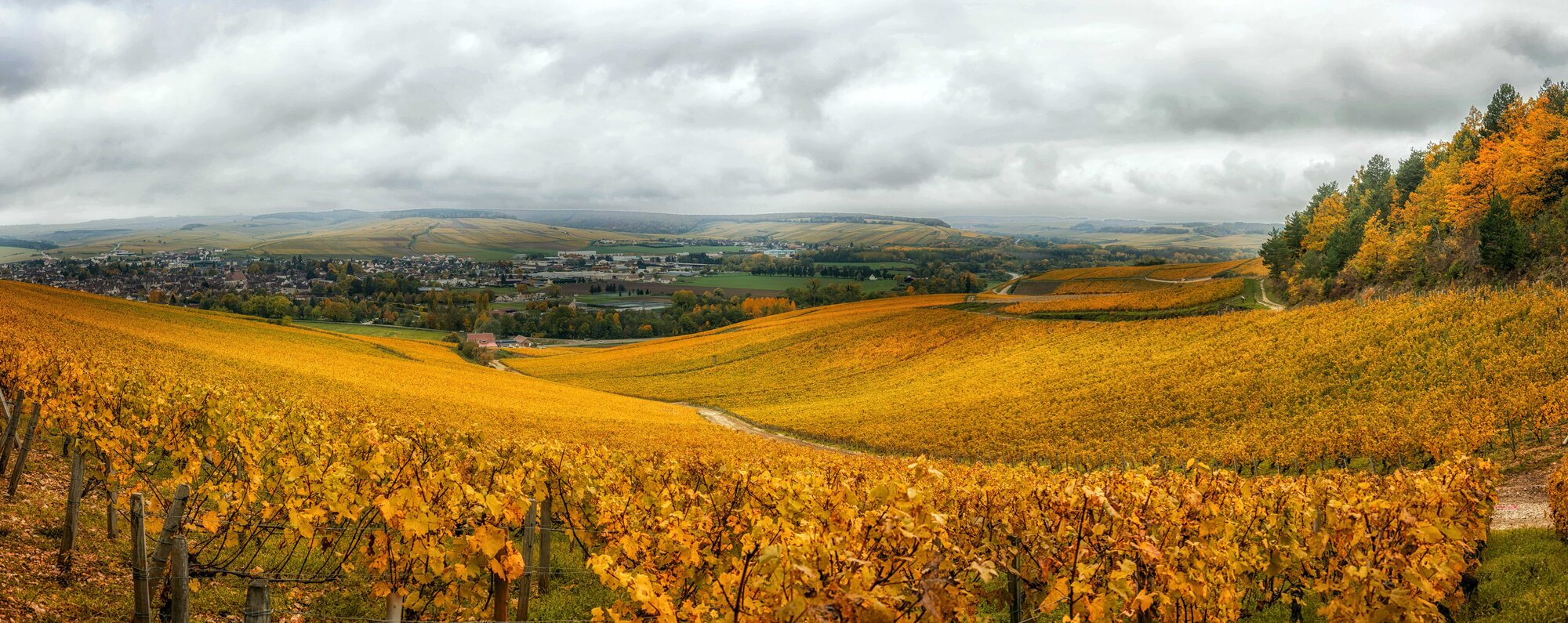
Burgundy 2025 Vintage Report
The vintage combines concentration with freshness, generosity with precision, and perhaps most importantly, a remarkable consistency across Burgundy's hierarchy.
The vintage combines concentration with freshness, generosity with precision, and perhaps most importantly, a remarkable consistency across Burgundy's hierarchy.
Burgundy 2025: at a glance
From a warm, dry growing season emerge wines of remarkable balance and consistency, combining the concentration and generosity of a sunny year with the freshness, energy and terroir expression more often associated with cooler vintages. The reds are vibrant and structured, the whites both charming and ageworthy, and quality is evident from Bourgogne to Grand Cru. With volumes constrained following another relatively small harvest, 2025 is a vintage that merits attention at every level of the hierarchy.
2025 Vintage Report
Following a warm, dry growing season, Burgundy has produced wines of remarkable harmony, combining ripeness and concentration with freshness, energy, and a striking expression of terroir.
The word petrichor, the smell of rain on dry ground, originates from the Greek for stone (petra) and the fluid that ran in the veins of the gods (ichor). The science behind petrichor is that the smell comes from oils plants give off during a dry spell, held in the rock until the first rain releases them. Over two weeks of tasting the 2025s, “minerality” kept recurring in our notes, and it took a few days to understand that the wines were suggesting rain hitting dry stones.
The Growing Season
The warm and dry season explains it, with heatwaves in June and August and picking underway in places from 18th August. The little rain that fell in August came onto ground that had been waiting for it, and most growers had their fruit in before the heavier rain of September. The wines hold the warmth of the year with something cooler underneath, which was described by Benoît Riffault of Domaine Etienne Sauzet: “When you taste the wines you can’t imagine the warmth and dryness of the vintage.”
2024 was a complicated growing season for Burgundy’s vignerons and produced the second-smallest harvest in fifteen years. The 2025 growing season is a happier proposition, with producers smiling in a way not seen in years and wines that have the same effect on those who taste them. Céline Fontaine of Domaine Fontaine-Gagnard summarised the two vintages: “2024 was discreet, but 2025 is aromatic.”
The pairing of 2024 and 2025 recalls 2014 and 2015, when 2014 was hailed as a great white vintage and its reds were overshadowed, whilst 2015 was proclaimed a red vintage from the start and some predicted its whites would prove too ripe. Those whites drank well before the 2014s and, as a bonus, never shut down. 2025 is shaping up to be a great red vintage in the same way, and we would not be surprised to see its whites follow the same path.
A Vintage Defined by Terroir
2025's defining quality is its consistency from Bourgogne to Grand Cru. Hotter vintages can mask vineyard character and put the vintage first, but in 2025, terroir comes first. Bruno Clavelier emphasised, “What is important is that the climats speak.”

Tanguy Le Guen of Domaine Hudelot-Baillet called 2025 “a very special vintage, a Burgundy vintage, you can taste the Pinot Noir and not the vintage.” The reds combine the tannins and structure of a warmer vintage with the sapidity of a cooler one. We tasted no jammy, overripe fruit, but rather fruit that is crunchy and succulent. In 2025, this energy is intact; many wines tasted as if they had been plugged into the mains, and we left cellar after cellar invigorated by the vintage.
Alcohol is moderate, with Pascal Marchand of Marchand-Tawse reporting everything between 12.2% and 13%. For Jérôme Flous of Faiveley, “The quality of Pinot Noir is in the energy of the fruit; if you lose the energy, you have lost the wine.”
It is difficult to pick a favourite village in the Côte de Nuits in 2025. Gevrey-Chambertin's broad shoulders have been tamed into something suave and seductive, Chambolle-Musigny retains the floral perfume and finesse that make it so famously elegant, and Nuits-Saint-Georges spans a broad range of styles, from classical structure in the south to finer-boned expressions found closer to Vosne-Romanée in the north.
In the Côte de Beaune, the reds were more affected by drought, but Volnay's best wines are exceptional, and it is another strong vintage for the under-the-radar Premier Crus of Beaune and Savigny-lès-Beaune. These cooler terroirs are increasingly desirable in hotter vintages.
The whites are a big bowl of peaches, generous with stone fruit and orchard fruit, and the more ambitious wines carry a level of dry extract that will take them far in the cellar.
Adèle Matrot of Domaine Matrot found “a round, creamy aspect” in hers, “but you still have the minerality of the terroir.” 2025 offers immediate pleasure at Bourgogne and village level but moves swiftly through the gears to Premier Cru and then Grand Cru. It is an excellent vintage for Corton-Charlemagne, and Meursault, Puligny, and Chassagne are all on top form.
Chablis follows a similar pattern of ripe wines that have retained freshness and terroir expression. In general, the 2025 Petit Chablis and Chablis will have more immediate appeal than their 2024 equivalents. The top Premier and Grand Crus, whilst appearing to be open, have the material to cellar gracefully. It is a modern, classical expression of Chablis, more confident in style than the tightly wound and nervous 2024s.
Winemaking
Several growers suggested they may have pushed warmer vintages such as 2019 and 2020 a little too far, and in 2025, much of their effort went into making it look effortless.
With small, thick-skinned berries and little juice, there was so much substance that a laissez-faire approach was enough. There was little to no pigeage (punching down of the cap) and more pumping over, which is gentler, and less whole bunch than in recent warm years. Whole bunch has a reputation for bringing freshness, but the potassium in the stems lowers acidity, which makes it a more useful tool in cooler vintages.
In 2025, too much whole bunch could have upset the balance, and some growers feel it homogenises terroir anyway. Most producers, though not all, chaptalised, which may seem odd in a warm vintage until you consider how early they picked. Often, they chose freshness over sugar in the vineyard and made up the difference in the cellar, usually by around half a degree of alcohol.
The clean fruit and low disease pressure meant there was no rush to bottle, and many producers are opting for longer élevage, fitting for a vintage that Caroline Drouhin described as “becoming more precise with time.” 2023 was a large harvest and the last for which producers needed to buy new barrels in quantity, and the small crops since have left them with ample stocks of one- and two-year-old barrels with which to raise the 2025s.

A relatively small 2025 harvest followed a tiny crop in 2024. Ongoing replanting programmes are also limiting volumes from some of Burgundy’s most sought-after vineyards. Once a plot is pulled up, the land must rest before replanting, and the new vines need several more years to produce fruit worthy of the vineyards’ name. Allocations from some affected vineyards are therefore likely to remain constrained for some time, with certain wines temporarily absent. Domaine Georges Roumier, for example, will make no Bourgogne Rouge for several years after pulling up the parcel from which it is sourced. Yet what stands out most about 2025 is not scarcity, but quality. Despite the warm growing season and extended élevage, the wines showed impressive purity and precision throughout our tastings.
2025 in a nutshell
The vintage combines concentration with freshness, generosity with precision, and perhaps most importantly, a remarkable consistency across Burgundy's hierarchy.
Burgundy is entering a new chapter. Growers have always had to adapt to economic and generational change, now climate change is adding to that, yet the defining character of the region, the purity of place, remains remarkably intact. Despite the warmth of the season, the finest examples are unmistakably wines of place, with each climat speaking in its own voice.
Petrichor comes from something the stone has kept through the drought and releases when the rain comes. The best 2025s will do the same in your cellar, and the ideal time to put them there is at release, from the producers you trust. A word derived from stone and the blood of the gods is a fitting way to describe the wines of Burgundy.
Explore more


