


A guide to Spanish wine regions: Rías Baixas
See our other articles...
Previous Article
A guide to the Burgundy wine classification system
Next Article
How to choose a wine from the Rhône Valley
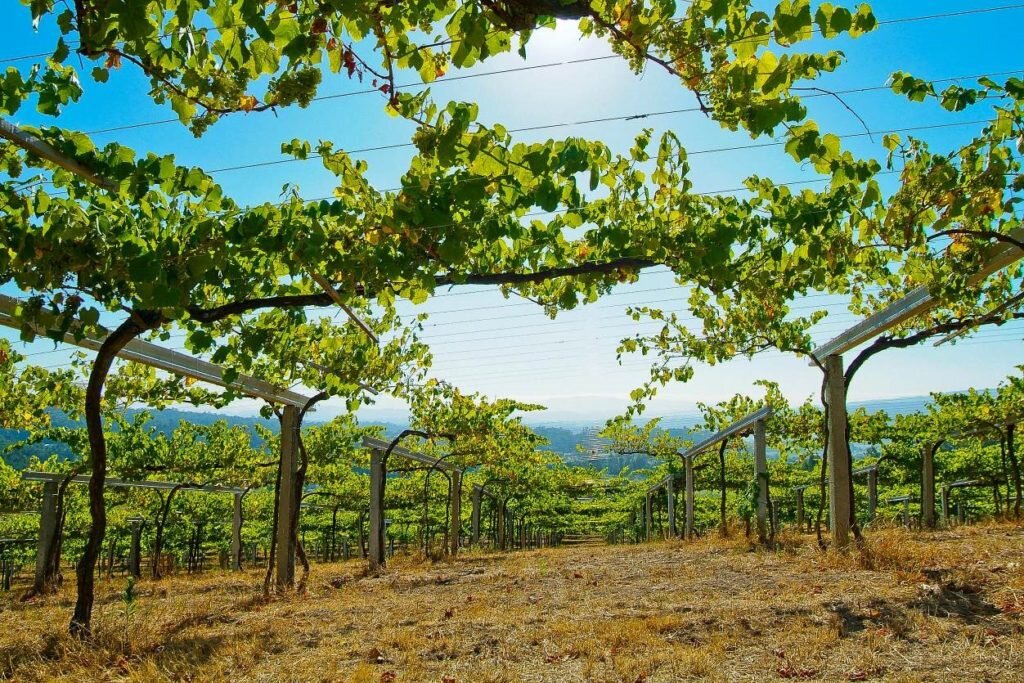
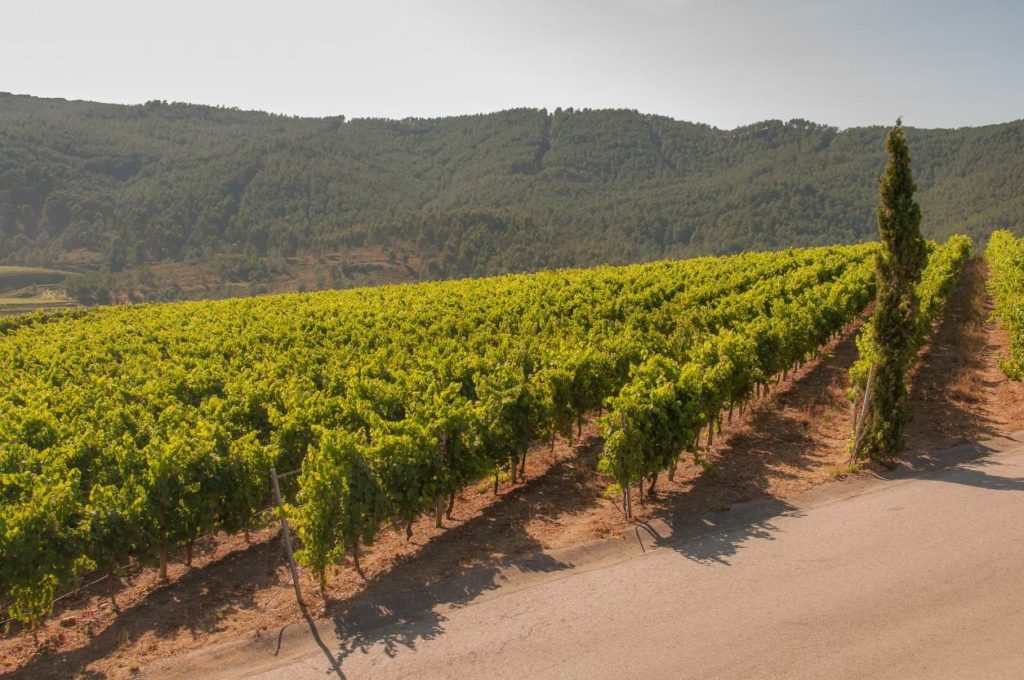
The Rías Baixas wine region is tucked away in a north westerly corner or Spain, in the municipality of Galicia, immediately north of Portugal. Verdant, undulating and unspoiled – Galicia, is also referred to as ‘Green Spain’. There is something truly spectacular about the vineyards of Rías Baixas.
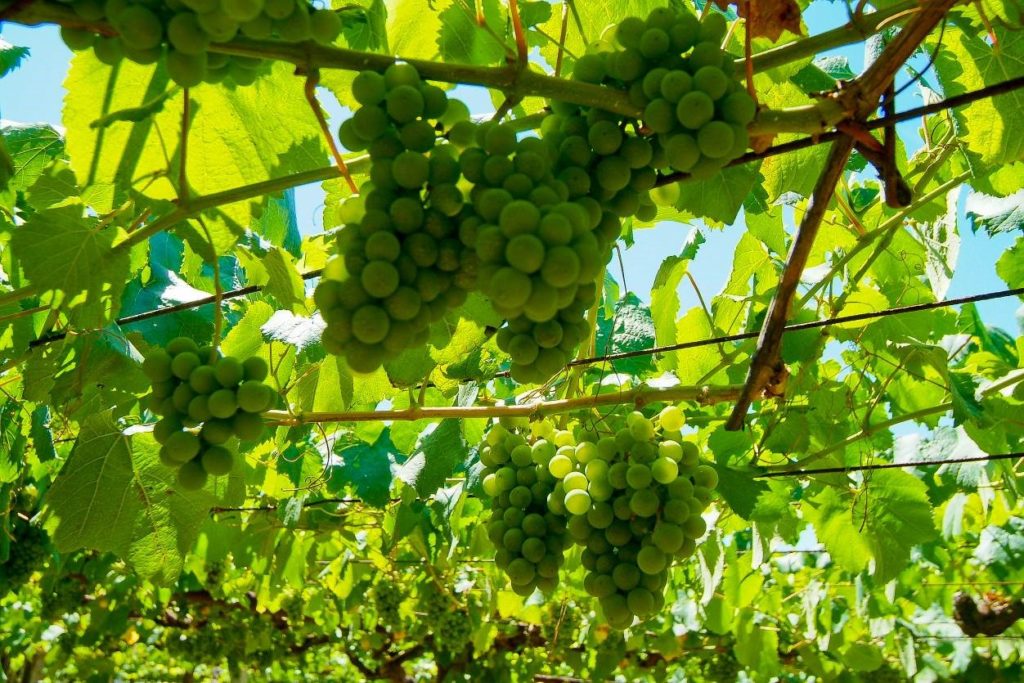
The name refers to a series of Atlantic inlets called rías, which meander from the ocean into western Galicia. Vines used to produce tart and aromatic white wines carpet both sides of the river valley. The Spanish wine region has become synonymous with Albariño wine, an aromatic grape variety that, Galicians regard as the Spanish white wine equivalent to New Zealand’s Sauvignon Blanc.
Interest in exporting Rías Baixas wine didn't occur until the 1980s. An economic depression forced many Gallegos to emigrate in the mid-20th century; meanwhile, great swathes of Albariño were replaced with Palomino, which was not suited to the inclement weather of northwest Spain. At the turn of the century, Albariño wines finally found a market outside of the region. Although, 50% of regional output never leaves Galicia.
Click on a link to jump to that section:
Growing conditions in Rías Baixas
The vineyards of Rias Baixas are located south of Santiago de Compostela, the capital of the region, running for about 60 miles toward the Portuguese border. It is a damp and verdant part of Spain (annual rainfall can exceed 71 inches per year), divided into five distinct sub-zones. Each region is centered around Galicia's famous rías (river). Ocean mists are a constant source of cool air in the summer months; This Atlantic-influenced climate is highly conducive to slower ripening, yielding berries packed full of aromatic compounds and fresh acidity. Soils are homogeneous: metamorphic granite, clay and alluvial matter are all found in the hills of Rías Baixas. The granite terroir is renowned for imbuing the whites with a mineral note and reflecting heat back into the canopy.The Albariño grape
The name translates as "small white one from the Rhine", which has led to numerous comparisons with Germany's signature Riesling grape. This is not unreasonable, as both varieties produce very aromatic wine styles, grown in cool climates and generally not matured in oak. However, there is one key difference: German and Alsatian winemakers never blend Riesling. Winegrowers in the Rias Bíaxas region, however, do occasionally include other white grapes in the final blend, although the Rías Baixas DO appellation rules stipulate a minimum of 70% Albariño. Nonetheless, the thick-skinned Albariño is often produced as a mono-varietal wine in the Spanish wine region and Portugal (as Vinho Verde). The grape is robust, able to resist the mildew that persistently threatens viticulture in the damp Galician region and Northern Portugal. Rías Baixas Albariño tends to be powerfully scented, reflecting minerals, citrus, stone fruit, and honey depending on the provenance, winemaking approach and age.
Wine production
Producers in the wine region strive for finesse, elegance, and aromatic complexity. Therefore, the usual practice to protect the juice from oxidation is cool fermentation in stainless steel tanks. Many winemakers favour this approach, as warmer temperatures can burn out many of the grape's aromatic compounds, such as fruity esters. Traditional Albariño wine is bottled within twelve months of the harvest and not matured in an oak barrel. This paradigm yields a fruit-driven and pungent style of wine – the ideal thirst quencher in the summer. That said, winemaking philosophies do vary in the region. A growing number of producers are experimenting with fermentation and/or maturation in a barrel, adding weight, structure and texture to the wine. However, the balance must be maintained between primary fruit characteristics and oak-derived flavours; an excess of new wood can spoil Albariño. Meanwhile, maturation on the fine lees is increasingly used to enhance texture and mouthfeel. This was originally a French technique that has proliferated across the globe. It involves periodically stirring dead yeast cells (lees, a by-product of fermentation) into the wine – lees are a powerful antioxidant and add a creamy richness. A limited period of skin contact prior to vinification can also boost the complexity of the final wine; however, too much encourages bitter flavours.Other grape varieties
The Rías Baixas DO, awarded in 1988 (regulatory council), permits several ancillary red and white varieties to be cultivated in the wine region. White wine grapes include Loureiro, Treixadura, Torrontes, and Caiño Blanco. A small volume of red wine can also be made from the following: Loureiro, Caiño Tinto, Mencia and Espadeiro. A blend of two or more red varieties is relatively common in the region.